

Geely Automobile Holdings Ltd. (ticker 0175 on the Hong Kong Stock Exchange) has announced the completion of the privatization of its premium electric-vehicle unit, Zeekr Intelligent Technology. As a result, the brand has definitively left the New York Stock Exchange: trading in its American depositary shares was halted on July 15, and the issuer itself will be deregistered with the SEC.
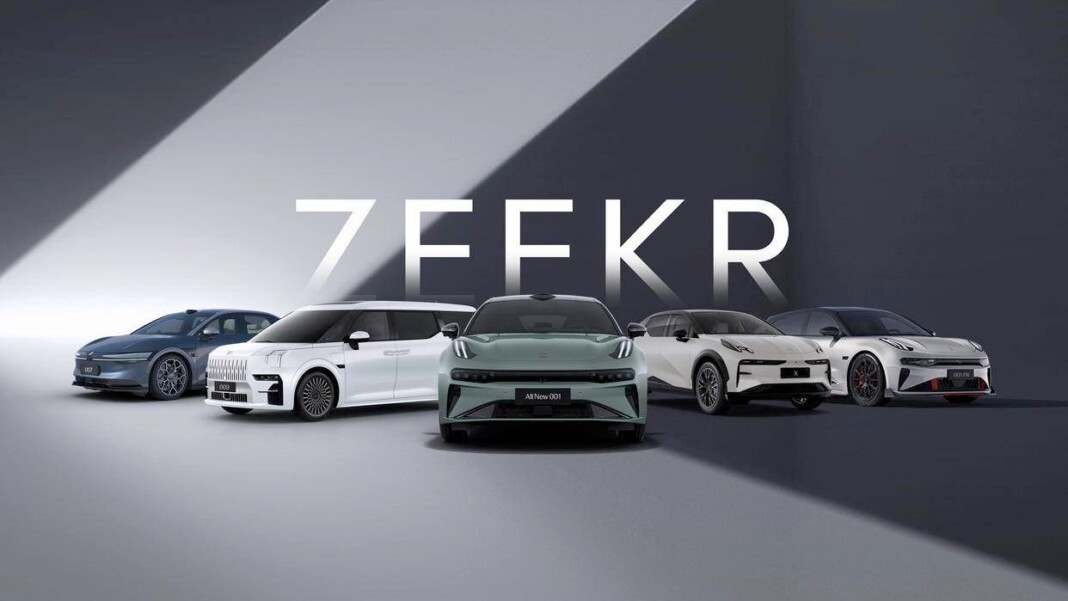
The deal was carried out under the terms of the July merger agreement. For each Zeekr share that Geely did not previously own, the parent company paid $2.687 in cash and added 1.23 new Geely shares. The total buyout value is estimated at about $2.4 billion. After the transaction closed, Geely’s stake rose from 65.7% to 100%, and Zeekr’s financial results are now fully consolidated at the holding level in Hong Kong.
Geely explained that the integration is needed to eliminate parallel development efforts, unify the architecture strategy, and accelerate “cost synergies.” As a benchmark, it cites the effects after Zeekr’s acquisition of the Lynk & Co brand: savings of 10–20% on development and 5–8% on procurement.
The privatization became the final item of the “Taizhou Declaration” (September 2024), in which the group called for an end to “brand proliferation” and the creation of a two-track structure: Geely Auto Group (Geely, Geely Galaxy, Geely Radar) and the Zeekr + Lynk & Co technology block. Chairman Eric Li added that this reduces “noise” in the capital market and allows Zeekr to strengthen the advantages of SEA, 800-volt charging, and full-feature advertising.
Zeekr’s exit from the NYSE turned out to be the fastest among Chinese EV makers: after being valued at around $9 in May 2024, the shares rose to $13, but then fell below $7 amid price wars and frequent model-year updates. Geely insisted that the buyout price includes an 18.9% premium to the last “clean” close and a 25.6% premium to the 30-day VWAP.
Next, Geely intends to merge about 300 Zeekr stores into a single NEV sales network in China, and to link Zeekr’s European homologation expertise with Volvo’s service infrastructure in order to reach 50 export markets by 2026 (source: carnewschina.com).
