

The end of 2025 is just around the corner, and one of the most talked-about topics in the automotive industry has become the fact that the European Commission is effectively failing to stick to its own timetable for a hard phase-out of internal combustion engines. An ambitious decade-long plan has begun to “shift,” and with it the rules of the game for manufacturers are changing as well.
The essence of the decision comes down to this: after 2035, brands will still be allowed to sell cars with internal combustion engines, but only if certain conditions are met—above all, stringent requirements for cutting CO2 emissions. At first glance, this looks like a relaxation for Europe’s automotive sector. However, the telling enthusiasm with which the news was welcomed in China raises the question of who benefits more from such a postponement.
The logic is simple: every euro European companies channel into developing hybrids, “plug-in” setups, and conventional engines is a euro that will not go toward pure electric vehicles. Chinese players, by contrast, continue to bet on BEVs and, secondarily, on PHEVs/EREVs.
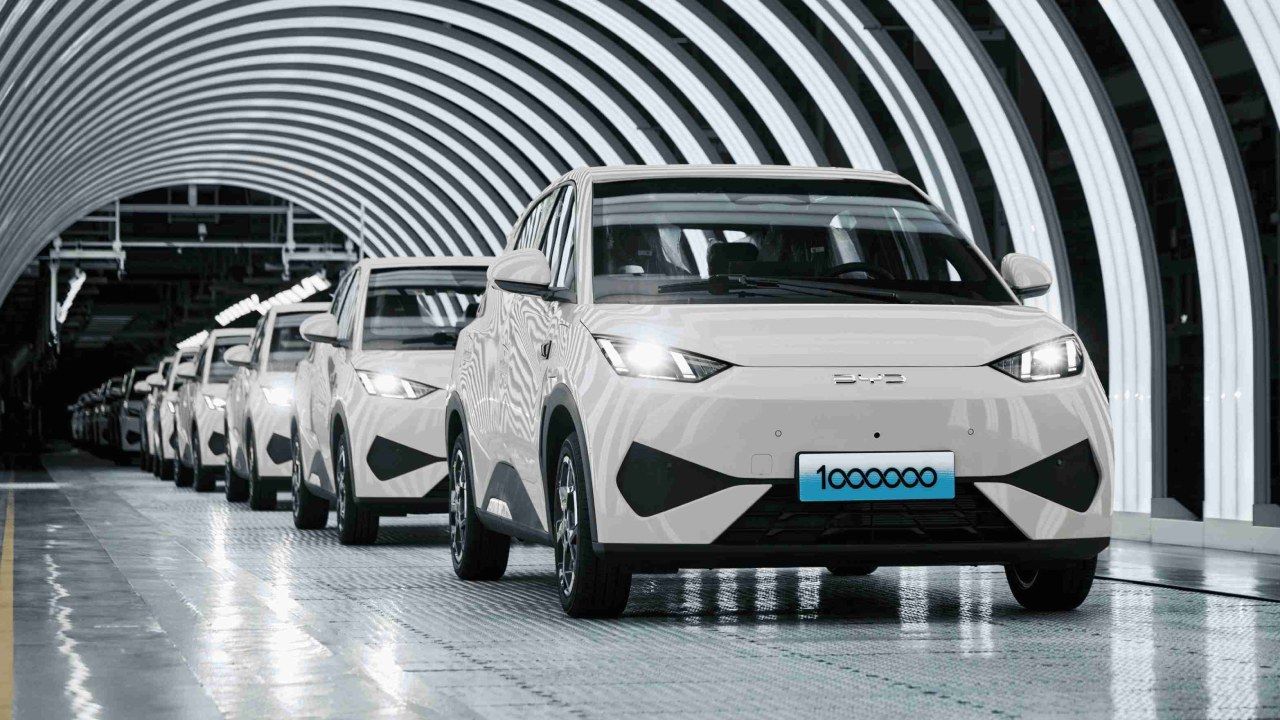
That is exactly what Stella Li—BYD’s vice president and head of the brand’s sales in Europe—points to. A representative of the largest manufacturer of plug-in vehicles and EVs, which has already overtaken Tesla, she openly disapproves of the European Commission’s stance. In her view, the decision will hurt Europeans and play into the hands of Chinese brands—mainly because it spreads investments too thin.
At BYD, they believe that giving ICEs an “extra life” will force Western companies to split R&D budgets between two tracks, while the Chinese will continue to invest almost all funds in electrification. Li emphasizes that Europe alternately pushes forward and then postpones the “Green Deal,” and there is never enough money for two fronts—so neither direction is brought to perfection.
At the same time, BYD says it does not object to revisions and delays: plug-in hybrids, they argue, can replace traditional cars by offering lower consumption, better performance, and “smart” technologies.
Additionally, the situation is reinforced by the EU initiative to create an M1 category intended to support the production of affordable B-segment electric cars. BYD, which has even entered the kei car niche in Japan, is preparing for production in Europe. For the brand, the key issue remains reducing import duties on electric vehicles and expanding its presence: next year the company plans to double its network to 2,000 retail outlets on the continent (source: motor.es).
